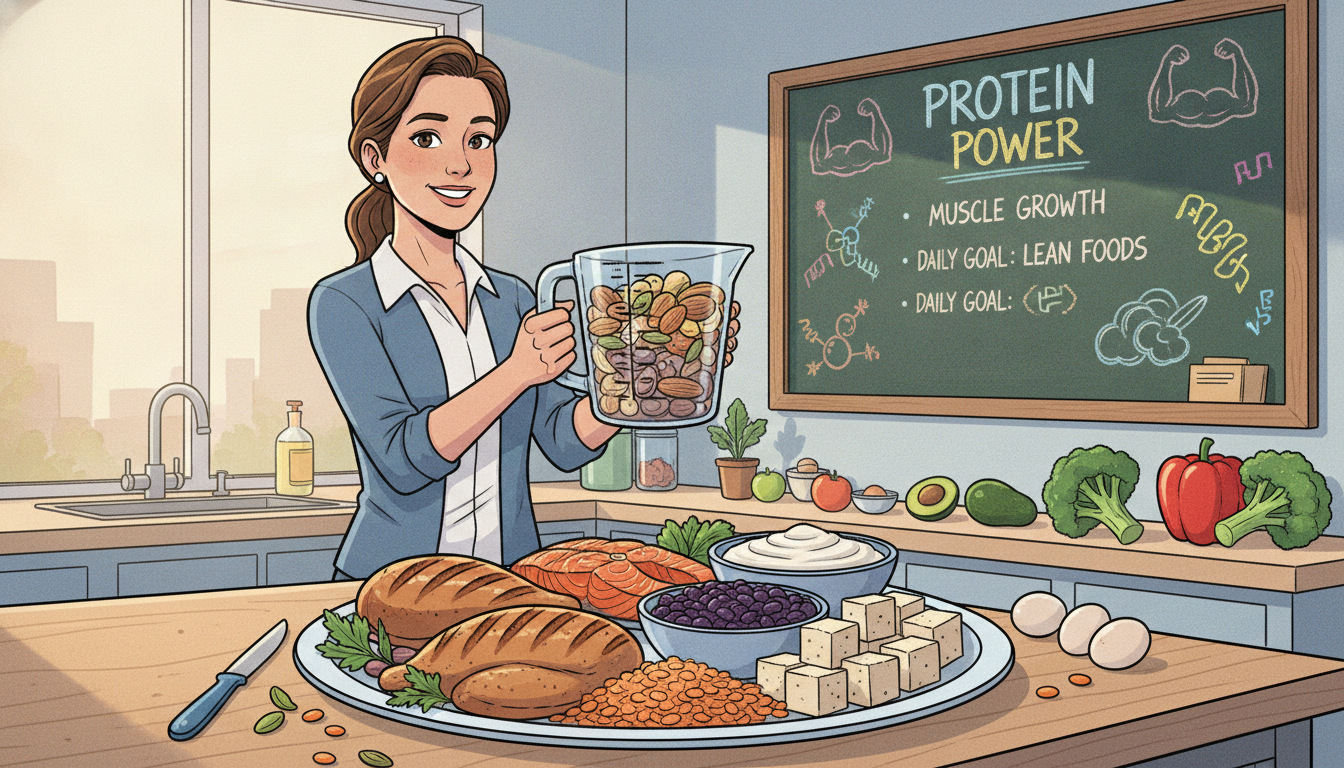
How Much Protein Do You Need for a Healthy Lifestyle
Did you know your body replaces nearly 300 grams of tissue every day? This process depends on amino acids. Without enough, your muscles can’t heal after exercise, and your metabolism slows down.
Knowing how much protein do you need is key to better health and performance. It’s crucial for athletes and anyone wanting more energy. The right amount helps you recover faster and keeps your muscles lean.
Key Takeaways
- Protein is vital for muscle repair and growth.
- Regular intake boosts metabolism and aids in recovery.
- Needs vary by activity level, age, and fitness goals.
- Protein helps keep muscle mass during weight loss.
- It’s a basic part of a healthy lifestyle.
Understanding the Role of Protein in Your Body
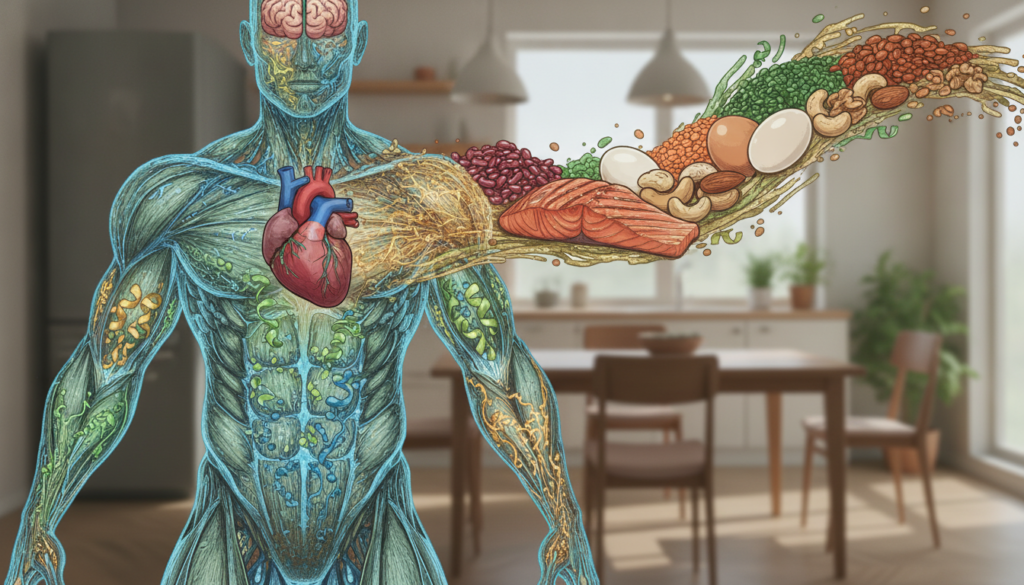
Your body needs amino acids all the time to work well. These are the building blocks for almost everything in your body. When you eat protein, your body breaks it down into these amino acids to help with important body functions.
Building and Repairing Muscle Tissue
Muscle tissue is always being broken down and built back up. When you exercise, you cause tiny tears in your muscles. Adequate protein intake gives your body the amino acids it needs to fix these tears. This makes your muscles stronger and more durable.
This process, called muscle protein synthesis, is key for getting stronger. Without enough protein, your body can’t fix itself well after exercise. Eating enough protein helps your muscles grow and stay strong.
Supporting Metabolic Health and Recovery
Protein is also important for your metabolic health. It takes more energy to digest than fats or carbs. This helps keep your metabolism going and supports your body shape goals.
Also, protein helps make enzymes and hormones that control your body’s functions. Eating enough protein helps your body recover from stress and hard work. Choosing high-quality protein sources helps keep you healthy in the long run.
| Biological Function | Primary Mechanism | Impact on Health |
|---|---|---|
| Muscle Repair | Protein Synthesis | Increased Strength |
| Metabolic Support | Thermic Effect | Energy Regulation |
| Tissue Maintenance | Amino Acid Supply | Cellular Integrity |
| Hormonal Balance | Enzyme Production | Systemic Recovery |
Determining How Much Protein Do You Need Based on Activity Levels
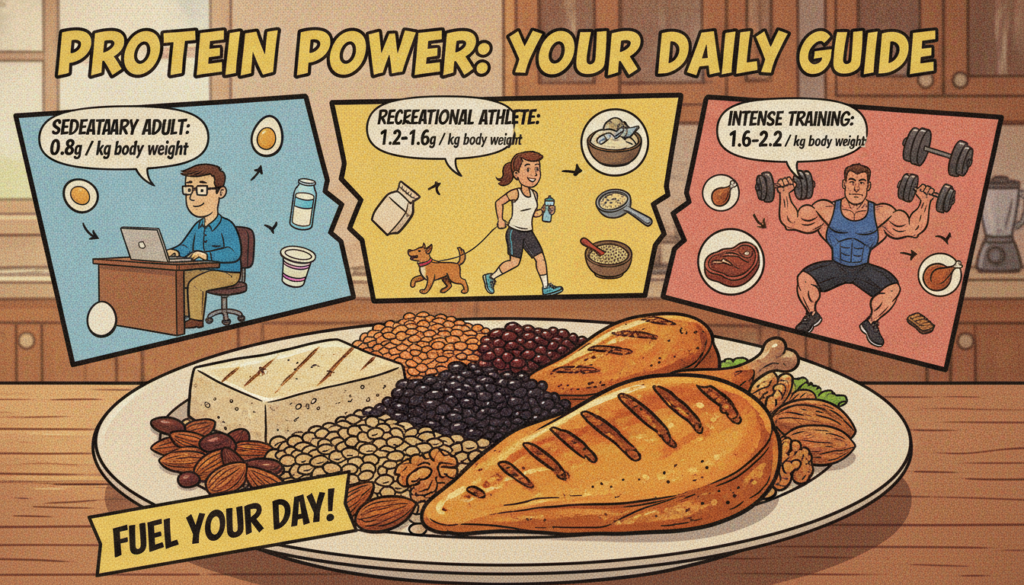
Finding out how much protein you need each day is key to a healthy diet. Your body uses protein for important functions, but the amount needed changes based on your lifestyle. Knowing your daily protein requirement for adults helps you feed your body right without making nutrition too hard.
The Baseline for Sedentary Adults
If you don’t move much, your body needs less protein for repair. For most people who don’t exercise much, 0.8 grams of protein per kilogram of body weight is enough. This amount helps keep your body healthy and supports basic functions without too much.
Many wonder how much protein per day they need when they sit a lot. While 0.8g/kg is a good starting point, it’s the minimum. Eating less than this can cause muscle loss, even if you’re not working out.
Requirements for Active Individuals
When you start exercising regularly, your protein requirements go up. Exercise makes your muscles work harder, leading to tiny tears that need amino acids to heal and grow. So, athletes and those who are active need more protein than those who don’t move much.
The table below shows how your activity level affects your daily protein needs. It helps you stay healthy and perform well.
| Activity Level | Description | Protein Need (g/kg) |
|---|---|---|
| Sedentary | Little to no exercise | 0.8 |
| Lightly Active | Light exercise 1-3 days/week | 1.0 – 1.2 |
| Moderately Active | Moderate exercise 3-5 days/week | 1.3 – 1.5 |
| Highly Active | Intense training daily | 1.6 – 2.2 |
Calculating Your Daily Protein Requirements
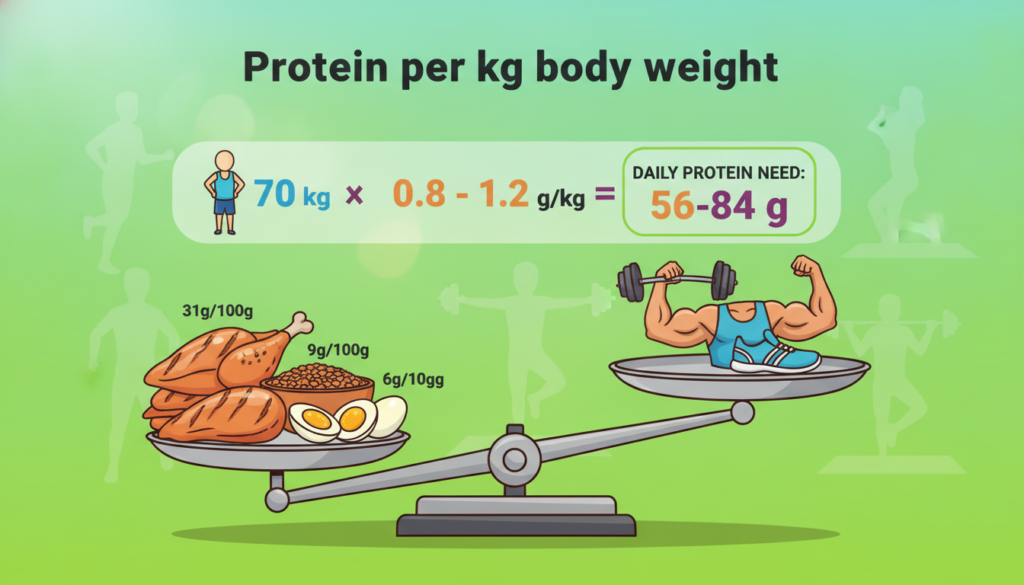
Ever wondered how much protein should i eat daily? You’re not alone. Finding the right balance can be tricky. A structured approach helps you fuel your body right.
Using Body Weight as a Metric
Calculating protein per kg body weight is the best way to figure out your needs. It’s a simple method that adjusts based on your size. Using a protein intake calculator online is okay, but doing the math yourself helps you understand it better.
To begin, change your weight from pounds to kilograms by dividing by 2.2. Then, multiply your weight in kilograms by a number based on your activity level. This basic calculation is the start of your diet plan.
Adjusting for Your Specific Fitness Goals
Your goals affect how much protein you need. For muscle maintenance, you need less than for growth or fat loss. Tailoring your intake to your lifestyle is key.
People on a caloric deficit need more protein to keep muscle. Those in surplus might need less for growth. The table below shows how to adjust your protein intake based on your goals.
| Goal | Factor (g/kg) | Primary Benefit |
|---|---|---|
| Sedentary | 0.8 – 1.0 | Basic Health |
| Muscle Gain | 1.6 – 2.2 | Tissue Repair |
| Fat Loss | 1.8 – 2.4 | Muscle Retention |
| Endurance | 1.2 – 1.6 | Recovery Support |
Tracking your protein intake helps you see how your body reacts. These numbers are just starting points. Listen to your body and adjust as you reach your fitness goals.
Protein Intake for Beginners Starting Their Fitness Journey

Starting your fitness journey can feel overwhelming, especially with all the advice on protein for beginners. You might wonder how much protein your body needs to handle new demands. But, you don’t need to make your nutrition plan too complicated at first.
Starting with 1.0 to 1.2 Grams per Kilogram
When you start exercising regularly, your body changes a lot. It adapts to new stressors. To help with this, aim for 1.0 to 1.2 grams of protein per kilogram of body weight. This amount gives your body enough amino acids to repair muscles without counting every calorie.
Starting with a moderate protein intake helps your body recover from workouts. It also helps you build consistent habits. Keeping meals simple makes it easier to stay on track. Remember, consistency is more important than perfect numbers in the beginning.
Gradually Increasing Intake as Training Intensity Grows
As you get fitter, your workouts will likely get harder and more frequent. When your body gets used to the initial workload, you might need more protein. You can increase your protein intake as you take on heavier weights or longer cardio sessions.
The table below shows how your needs might change as you move from a sedentary lifestyle to a more active one.
| Activity Level | Recommended Protein (g/kg) | Goal Focus |
|---|---|---|
| Sedentary | 0.8 – 1.0 | General Health |
| Light Activity (Beginner) | 1.0 – 1.2 | Adaptation |
| Moderate Training | 1.3 – 1.5 | Muscle Recovery |
| High Intensity | 1.6+ | Performance Gains |
Remember, protein for beginners is about building a sustainable lifestyle, not immediate perfection. Listen to your body, watch your energy levels, and adjust as you get stronger.
Optimizing Protein for Muscle Gain and Strength Training
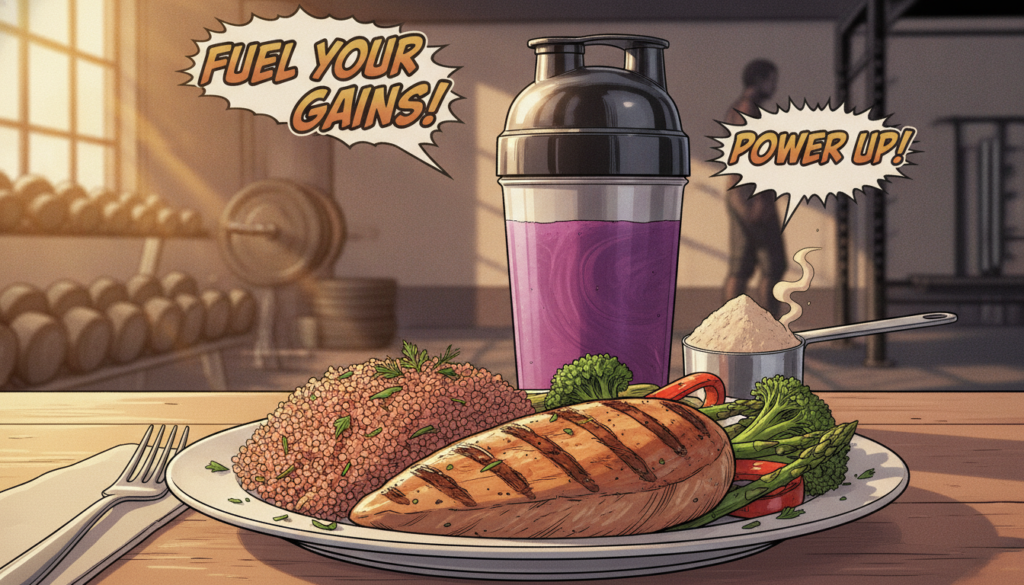
When you push your body to its limits, your protein needs change a lot. You might ask how much protein do i need to build muscle after you’ve started training seriously. Advanced training needs a careful plan to make sure your body gets the right building blocks for repair.
The Requirements for Experienced Lifters
Experienced lifters put their muscles through a lot. They do high-volume and high-intensity workouts. This causes a lot of damage to muscle fibers, which need to be fixed for growth. Consistent protein intake is key for this repair.
Here are some benefits of eating a lot of protein:
- Enhanced muscle protein synthesis to help muscles grow.
- Shorter recovery times between workouts.
- Less loss of lean muscle during intense training.
Reaching the 1.6 to 2.2 Grams per Kilogram Range
Studies show athletes need 1.6 to 2.2 grams of protein per kilogram of body weight for best results. This amount helps with muscle growth and strength. If you work out a lot, aiming for the higher end of this range is good.
Finding out how much protein do i need to build muscle depends on your workout volume and goals. By focusing on protein for muscle gain, you keep your body in a growth state. This is crucial for long-term athletic success.
Adjusting Protein Intake for Effective Fat Loss
Using protein for weight loss helps keep your muscle safe. When you eat fewer calories to lose fat, your body might look for other energy sources. Without enough protein, it could start breaking down your muscles instead of fat.
Preserving Lean Muscle During a Caloric Deficit
To lose weight mainly from fat, you need to give your body the right materials. Maintaining a higher protein intake tells your muscles they’re still important. This keeps you strong, even when you’re eating fewer calories.
Keeping your protein levels up helps your body burn fat first. This is crucial for successful protein for weight loss plans. You want to lose weight but keep the strength you’ve built.
Prioritizing Satiety Through Protein
One big challenge in dieting is controlling hunger. Protein is the most satiating macronutrient, making you feel full longer. Adding a good amount of protein to each meal can stop you from snacking too much.
Feeling full makes it easier to stay on track with your calorie goals. Using protein for weight loss helps control your appetite. This simple change makes losing weight more enjoyable and sustainable.
The Importance of Spreading Protein Intake Across Meals
How you organize your meals affects how your body uses amino acids. Many focus only on their protein intake per day. But, when you eat your protein matters a lot for success. Consistency is key to keeping your body ready for recovery.
Supporting Muscle Protein Synthesis Throughout the Day
Muscle protein synthesis is how your body builds new muscle. It needs a steady flow of amino acids in your blood. Eating all your protein at once might miss this chance.
By keeping nutrients flowing, your muscles get what they need to fix exercise damage. This keeps your muscles growing and helps you keep muscle. It stops your body from lacking what it needs for recovery.
Structuring Your Diet into 3 to 5 Protein-Rich Meals
To get the most from your protein intake per day, divide it into 3 to 5 meals. This way, you can build muscle several times a day. You can choose three big meals or five small ones, as long as it’s steady.
Planning meals ahead helps keep your rhythm, even when you’re busy. Here’s how different meal plans can affect your day:
| Meal Frequency | Benefit for Recovery | Consistency Level |
|---|---|---|
| 3 Meals | High convenience | Moderate |
| 4 Meals | Balanced synthesis | High |
| 5 Meals | Optimal amino acid flow | Very High |
What’s most important is finding a schedule that works for you. By spreading out your protein, your body can handle it better.
Best Whole Food Sources of High-Quality Protein
Building muscle starts with what you buy at the grocery store. Focus on whole foods rich in nutrients. This ensures your body gets the amino acids it needs for repair and growth. By choosing these options, you can find the best protein foods for muscle growth that fit your daily life.
Animal-Based Proteins: Eggs, Chicken, and Fish
Animal products are top-notch for protein because they have all the amino acids your body needs. Eggs are a great choice, offering high-quality protein and important vitamins. Adding them to your breakfast or snacks can help increase your protein intake.
Chicken breast is a favorite among athletes for its lean protein and high protein content. Fatty fish like salmon or mackerel also offer excellent protein and heart-healthy omega-3s. These are some of the best protein sources for improving your body’s composition.
Dairy Products as a Convenient Protein Source
Dairy is a quick and effective way to get protein. Greek yogurt and cottage cheese are especially good because they have casein and whey proteins. These proteins help you stay full and support muscle recovery all day.
You can add these to smoothies, oatmeal, or eat them alone for a quick meal. They’re easy to prepare, making dairy products great for busy people. Choosing these whole foods helps you meet your fitness goals while keeping your diet balanced and enjoyable.
Plant-Based Protein Options for a Balanced Diet
If you prefer a vegetarian or vegan diet, you have many great options. Many protein foods come from plants, making them a healthy choice. By eating a variety of foods, you can get all the amino acids your body needs.
Incorporating Soy and Tofu into Your Meals
Soy is a complete protein, perfect for those who don’t eat meat. Tofu, made from soy milk, is great because it takes on flavors well. You can make it crispy in stir-fries or creamy in smoothies.
Tempeh and edamame are also great protein foods. They’re made from soy and are perfect for meal prep. They stay fresh in the fridge for days, helping you eat well without meat.
Utilizing Lentils and Beans for Fiber and Protein
Lentils and beans are full of protein and fiber. They keep you full and help your blood sugar stay steady. Black beans, chickpeas, and red lentils are all affordable and easy to cook in big batches.
Here’s why legumes are good for you:
- High fiber content is good for your digestion and gut.
- They’re low in fat and have no cholesterol.
- These protein foods are cheap and last a long time.
- They’re packed with minerals like iron, magnesium, and potassium.
Adding cooked beans to salads, soups, or stews boosts your meal’s nutrition. By choosing plant-based protein foods, you’re setting yourself up for a healthy, balanced diet.
Evaluating the Role of Whey Protein and Supplements
Whole foods are key to a healthy diet, but supplements have a role too. You might wonder if adding whey protein supplements is needed to meet your fitness goals. Knowing how these products work is crucial for your health.
When to Use Whey Protein Supplements
Supplements help fill nutrition gaps, not replace meals. Whey protein is great for busy people who can’t eat a balanced meal. It’s a quick, easy way to get enough protein without cooking.
Many athletes use it after workouts. It’s quickly digested, giving muscles amino acids when they need them most. But remember, it’s mainly for convenience, not to magically improve performance.
Why Whole Foods Should Remain Your Primary Focus
Whole foods give you more than just protein. They have vitamins, minerals, and fiber that powders can’t match. Relying only on whey protein might mean missing out on these important nutrients. Plus, foods like chicken, eggs, and beans help you feel full longer.
Think about digestion too. Whole foods take more energy to digest, which is good for your metabolism. While supplements are useful, they can’t replace the variety and nutrients in a balanced diet.
| Feature | Whole Food Sources | Whey Protein |
|---|---|---|
| Nutrient Density | High (Vitamins/Minerals) | Low (Isolated Protein) |
| Digestion Speed | Slow to Moderate | Very Fast |
| Satiety Levels | High | Low |
| Preparation Time | Requires Cooking | Instant |
Timing Your Protein Intake Around Workouts
Many believe there’s a strict time to eat protein for the best results. They think missing the window means all their effort is for nothing. But, the truth about protein timing after workouts is simpler than you might think.
The Window for Post-Workout Recovery
The idea of the “anabolic window” says muscles soak up nutrients right after exercise. It’s true your body is ready for amino acids after a workout. But, this window isn’t as tight as everyone makes it out to be.
Eating a balanced meal within an hour or two after working out is perfectly sufficient for recovery. Your body keeps processing nutrients for hours after you’re done at the gym. Eating high-quality protein during this time helps your muscles repair and grow.
Consistency Over Timing for Daily Totals
For most people, timing isn’t as crucial as it is for elite athletes. Your total daily protein intake is what really matters for long-term gains. Meeting your daily protein goals ensures your body has what it needs to recover, no matter when you eat it.
Think of daily protein as a foundation and timing as a small tweak. Sticking to a consistent diet gives your muscles a steady flow of amino acids all day. By focusing on overall nutrition, you avoid the stress of perfect timing and let your body flourish with healthy habits.
Addressing Common Myths About High-Protein Diets
Exploring nutrition can be tricky, with lots of conflicting advice. You might have heard protein myths saying too much protein is bad. But, recent studies show high protein diet benefits for better body shape and health.
Debunking Protein Overconsumption Concerns
Many worry that eating too much protein is unhealthy. But, most healthy people can easily process protein. If you eat more than you need, your body uses it for energy or stores it safely.
It’s crucial to know that health issues vary. If you’re healthy, a high protein diet is unlikely to harm you. Focusing on the high protein diet benefits helps you support muscle and metabolism without worry.
Understanding Protein Quality and Bioavailability
Not all proteins are the same. Knowing this is key to success. Bioavailability is how well your body uses the amino acids in food. High-quality proteins have all essential amino acids your body can easily use.
Think about where your protein comes from. Animal products usually have better bioavailability than plant-based ones. By choosing a variety of high-quality sources, you give your body the best for repair.
| Protein Source | Bioavailability Score | Primary Benefit |
|---|---|---|
| Whey Protein | High | Rapid Absorption |
| Egg Whites | High | Complete Amino Profile |
| Soy Protein | Moderate-High | Plant-Based Efficiency |
| Lentils | Moderate | Fiber and Micronutrients |
By ignoring protein myths, you can make a lasting nutrition plan. Focus on whole foods for the best results and support your fitness journey.
Does High Protein Intake Damage Your Kidneys
Does protein damage kidneys, or is this just another fitness myth? Many people worry that eating more protein will stress their kidneys too much. But for most people, this worry is not true.
Current Scientific Evidence for Healthy Individuals
Research shows that a high-protein diet doesn’t harm healthy kidneys. Your body is great at breaking down amino acids and filtering out waste through your kidneys. Healthy individuals can usually eat more protein without hurting their kidney function.
Your kidneys are built to handle the waste from protein digestion. Drinking enough water helps your body manage this process well. Scientific consensus supports the safety of high-protein diets for those without health problems.
When to Seek Medical Advice for Kidney Health
If you have kidney disease, protein is not as safe. Doctors might tell you to limit protein to ease the load on your kidneys. Always consult with a healthcare professional before changing your diet if you have kidney issues.
It’s key to listen to your body and watch your health closely. If you feel tired all the time or notice changes in how you pee, get medical help right away. Being proactive helps you reach your fitness goals without risking your health.
Practical Tips for Tracking Your Daily Protein Consumption
Tracking your daily protein intake can make your health journey easier. Success in building muscle or improving body composition comes from being consistent. By monitoring your diet closely, you avoid the uncertainty of nutrition plans.
Using Digital Tools and Food Logs
Today’s technology helps you track your daily protein intake accurately. Apps like MyFitnessPal or Cronometer let you log meals quickly and see your nutrient balance instantly.
These apps have barcode scanners for easy tracking of packaged foods. Consistency is key. Log your meals as you eat them to avoid mistakes and stay on track with your goals.
Planning Your Weekly Protein Intake
Good nutrition starts with planning. By setting your weekly protein intake goals ahead of time, you avoid bad food choices when you’re rushed or tired.
Set aside a few hours each weekend for batch cooking proteins like chicken, eggs, or tofu. Having pre-portioned meals in your fridge keeps your protein intake steady all week. This saves time and keeps your fitness goals on track.
Conclusion
Understanding how much protein you need is key to better physical performance. You now know how to get enough protein from foods like chicken, eggs, and lentils.
Being consistent is crucial for long-term success. Eating protein at different times helps keep your muscles growing all day. Digital tools can help you track your protein intake.
Finding out how much protein you need is a personal journey. It changes as your fitness goals do. Your diet is the base for achieving your goals. Choosing high-quality nutrients helps you reach your best.
Take control of your health by using these tips every day. You have the knowledge to make choices that support an active life. Begin today by planning your meals to meet your needs.